When an alarm appears and a hundred different instincts kick in, the structure looks to someone for instructions: the chief warden. Leading an Emergency Control Organisation is not concerning having the loudest voice or the brightest vest. It is about calmness decisions under pressure, choreography of individuals and details, and self-displined technique long before anything fails. The nationwide unit PUAFER006 Lead an Emergency Control Organisation formalises those assumptions, but the real examination is how you act in the first 2 minutes of a crisis.
This guide unpacks the proficiencies behind PUAFER006, shows where it fits alongside PUAFER005 Run as part of an ECO, and supplies hard‑won lessons from drills and live events. If you are planning for a chief warden course, building an emergency warden team, or clarifying fire warden requirements in the workplace, you will discover functional standards here.
What "leading the ECO" actually means
An Emergency situation Control Organisation is the framework that handles an occurrence inside a facility until the arrival of exterior responders. In a small office that could be a chief warden, an interactions warden, and 2 area wardens. In a medical facility it may be loads of wardens across multiple areas, each with replacements, joggers, and initial aiders.
PUAFER006 recognises that leading this group is an unique obligation. Where PUAFER005 Operate as part of an emergency control organisation focuses on private warden responsibilities, PUAFER006 expects you to set approach, assign tasks, and control info. During a smoke event from a web server room, as an example, the chief warden has to determine whether to evacuate, stage a shelter in place, or isolate and screen. That phone call depends upon input from wardens, the panel, facility systems, and your very own risk judgment.
I have seen new principal wardens wait for excellent info and lose a critical min of momentum. Just as, I have seen overconfident wardens call a complete evacuation for a burnt salute alarm and set off crowding on stairways that put individuals at greater threat. Leading the ECO has to do with stabilizing action with verification within clear plans.
The proficiency spine of PUAFER006
The system breaks down right into a set of verifiable capabilities that, together, form the backbone of effective occurrence control. Instructors might package them in a different way, but the compound stays consistent.
Leadership under unpredictability. You require to release succinct instructions when indicators are incomplete. That implies establishing a first posture, for example, "explore and standby," then intensifying or de‑escalating as information is available in. The best chief wardens tell decisions in simple language so the team understands intent.
Information management. Alarm panels, CCTV, wardens' records, passenger phone calls, BMS alerts, and specialist inputs all complete for focus. A useful method is to assign a solitary interactions factor, commonly at the Emergency situation Control Factor, and standardise message styles: location, nature, activities taken, resources needed. It appears fundamental, however regimented wording saves minutes and protects against duplication.
Resource coordination. You direct wardens, initially aiders, safety and security, and often professionals. That consists of positioning, relief, and security for the ECO itself. Throughout a chemical spill on a warehouse floor, we rotated wardens at five‑minute periods because of fumes in the outer area. Without that turning, awareness declines and errors slip in.
Procedural conformity with adaptability. You must understand the emergency plan cool, but likewise acknowledge when problems warrant deviation. In a fire door refurbishment circumstance, the prepared emptying route might be jeopardized. Under PUAFER006, you are anticipated to observe the inconsistency and reroute securely, not till ahead due to the fact that the handbook stated so.
Interface with outside solutions. When fire staffs get here, the chief warden supplies a concise handover, then sustains their operation by preserving cordons, passenger control, and systems info. A sharp handover is less than one minute and contains developing format, fire panel points, risks, condition of occupants, and systems actions taken.
Post event leadership. Responsibility does not end with the all‑clear. You require to coordinate the debrief, compile case records, launch corrective activities, and bring back regular operations. Great principal wardens deal with each event as an understanding loophole for the ECO and the business.
How PUAFER006 and PUAFER005 relate
Think of PUAFER005 as the foundation and PUAFER006 as the command layer. The very first trains wardens to examine shower rooms, close doors, sweep zones, aid individuals with disability, and record conditions. The 2nd trains you to transform those wardens right into a synchronised group. In a genuine building you desire both. A durable warden course for the team, often called fire warden training or emergency warden training, builds the muscle mass memory for activity. A concentrated chief warden course develops choice quality and control.
Most training companies package PUAFER005 course and PUAFER006 course components with each other or in turn. If you handle training for numerous sites, run PUAFER005 operate as part of an emergency control organisation early and revitalize each year, after that cycle your likely future leaders chief fire warden via chief warden training every a couple of years. Skills fade if they are not exercised.
The chief warden identification, hats, and colours
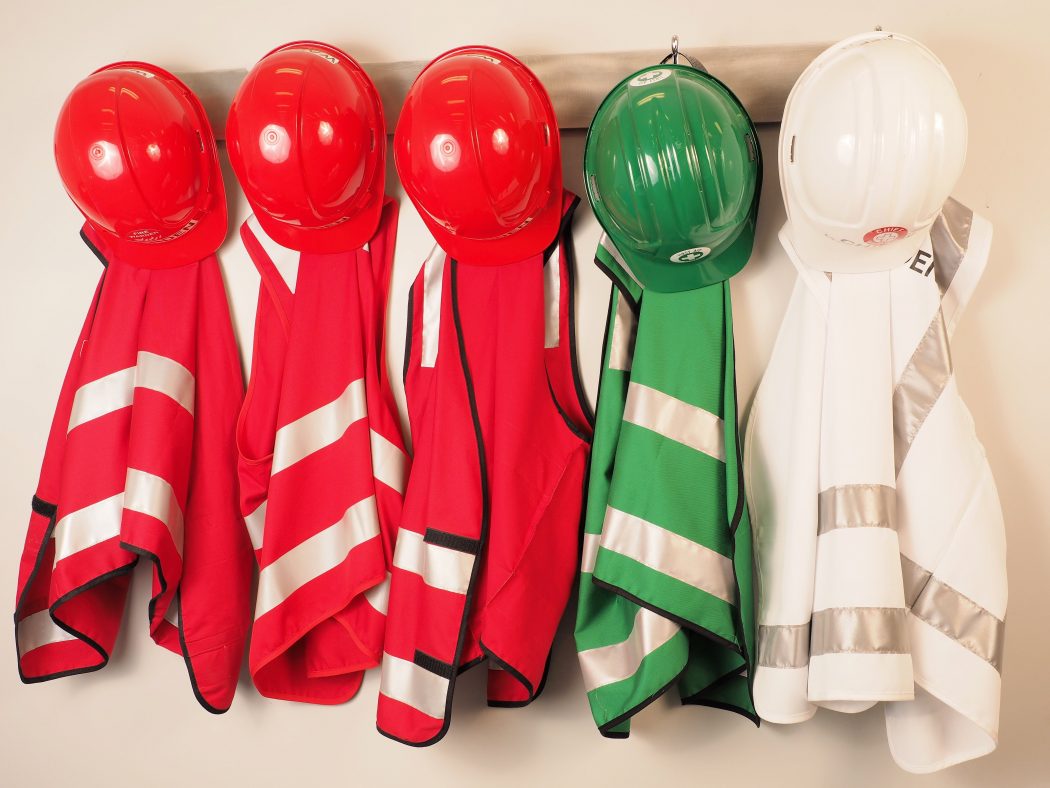
Yes, the hat inquiry shows up more frequently than you would certainly think. Each website follows its very own scheme, yet across Australia there is a common convention drawn from AS 3745. Fire wardens normally use red, interactions white, and the chief warden commonly uses white with a black band or fully white. So what colour helmet does a chief warden wear? In most work environments the chief warden hat colour is white. The chief fire warden hat colour is the same. Fire warden hat colour cues make it very easy for residents and responders to spot authority during an evacuation.
Uniform elements only assist if you back them with consistent presence and practices. A chief warden that shows up at drills, checks emptying representations, and reacts without delay develops count on. That trust fund keeps people listening when you require them to relocate swiftly yet calmly.
Core scenarios to master
PUAFER006 anticipates effectiveness across multiple emergency kinds, not just fire. In practice, you ought to practice at the very least 5 high‑frequency or high‑impact events for your center type. The copying show the choices that differentiate adequate from excellent.
Fire alarm, unidentified cause. The panel shows a detector activated on Level 3 near a kitchen space. First action is check out and standby. The local area warden transfers to verify while the chief warden positions at the control factor, checks CCTV if offered, and prepares messages. If smoke is visible or the warden records heat, elevate to partial evacuation of the influenced area. A full structure evacuation might be excessive in a tower with zoned pressurisation, yet you should consider smoke migration, vulnerable residents, and system condition. Statements must be clear and quick, with repeats every 60 to 90 seconds until the discharge stage ends.
Hazardous spill. A pallet falls and ruptures a drum of solvent. The chief warden isolates the location by closing doors and restricting air activity, validates the Security Data Sheet, starts a targeted emptying, and locks out ignition resources. Calling an outside HAZMAT device early pays rewards. The mistake I see is over‑evacuation that sends out people past the danger. Alternating leave paths need to belong to the plan, and the ECO needs to rehearse their signs and stewardship.
Medical emergency situation in a crowd. An individual breaks down during an entrance hall event. The chief warden appoints a warden to group control, protects an AED, and develops a hallway for paramedics. If the person is contagious or there is a bloodborne risk, the ECO should intensify cleaning procedures and get in touch with tracing as per the health insurance plan. The failing pattern is way too many helpers, not enough space and air. The very best principal wardens hold the boundary and maintain onlookers out while the very first aiders work.
Power failing with lift entrapments. Blackouts raise stress and anxiety quick. The chief warden activates owner messaging to save phone batteries and stay unless an emptying is necessary. Safety and security collaborates with the lift contractor while wardens relocate stairwells to check for stranded individuals. If smoke air flow relies upon power, you need to assess whether to maintain people in place or relocate them to more secure zones. After 10 to 15 mins, supply a status upgrade even if absolutely nothing has transformed. Silence breeds panic.
Threats to individual security. Aggressive individuals or suspicious packages require a different position. You might require to lock down, restrict accessibility, and draw away people far from locations without marketing the reason extensively. The interactions position matters. Generic language such as "avoid the lobby and follow warden directions" protects privacy and minimizes risk up until police arrives.
Building a qualified ECO: employment, training, and refreshers
Emergency warden employment is commonly voluntary, and you take what you can get. That does not mean you accept whoever initially raises a hand for each chief warden requirements duty. An effective chief warden assembles a group with three attributes in mind: integrity, interaction, and movement. Integrity displays in preparation at drills and a practice of inspecting devices without triggering. Interaction programs in clear radio abilities and stable tone. Wheelchair issues because a warden that has problem with stairways might be much better put in the interactions cell than on flooring sweeps.
The fire warden course covers threat recognition, discharge procedures, methods for aiding persons with handicap, and equipment such as extinguishers. The chief fire warden course builds tabletop exercises and circumstance command. Mix both with website specifics. Generic training without site context produces false self-confidence. Your possession has its very own traits, from the fire panel touchscreen to door hold‑open magnets and staircase pressurisation sequences.
Fire warden training demands differ by jurisdiction and threat account, yet as a rule of thumb aim for annual warden training and six‑monthly evacuation workouts. New wardens ought to finish a warden course within their very first month and darkness a senior warden in the following drill. For chief warden requirements, add leadership refresher courses, radio self-control technique, and at the very least one unannounced circumstance per year to sharpen decision speed.
Communications discipline and the radio problem
In the first minute of a case, radios can turn to disorder if you have not pierced message framework. One website I dealt with had 18 radios live during a lawn sprinkler activation. Everybody talked simultaneously, and the chief warden missed the crucial upgrade that the shutoff had actually been isolated. We repaired it with radio web self-control and brevity codes tailored to the building.
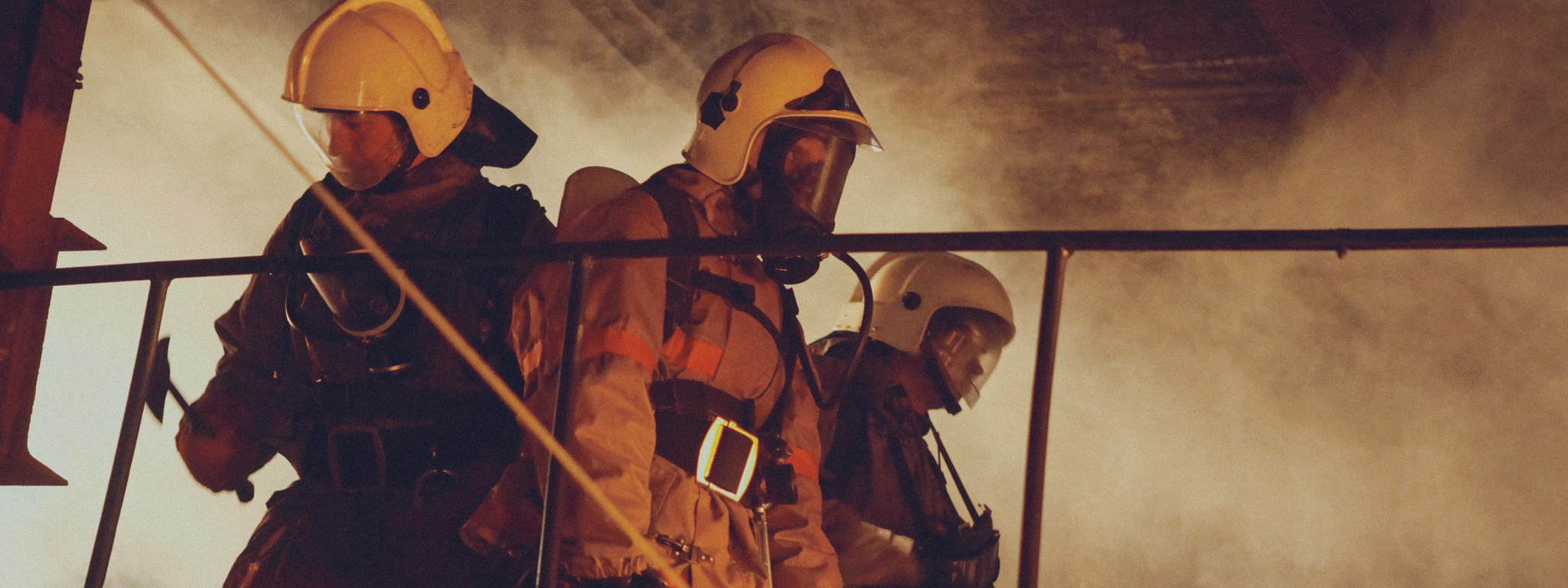
Keep channels couple of and focused. If you have two channels, assign one to life safety and security and one to design or support, and park all nonessential babble. Usage telephone call signs that match functions, not names. Practice closed‑loop communication. When a warden recognizes an instruction, they duplicate the key truths: "Area Warden South, evacuate Level 2 west wing to Setting up B, duplicate." That behavior sets you back a 2nd and protects against a lots errors.
For structures without radios, the interactions warden ends up being the hub. They need a log, a quiet place, and the authority to triage incoming information. Smart phone are a backup however delicate, specifically in a power event. Take into consideration hard‑wired phones near staircase doors, white boards for projects, and runners in high‑rise websites where radio proliferation is patchy.
Evacuation nuances few talk about
If you have just ever drilled a complete building emptying on a sunny early morning, you could be surprised at the rubbing points that arise under anxiety. Stairwell characteristics change with pushchairs, walking canes, and panic. Individuals slow at the very first twist in the stair since they do not understand what is ahead. Wardens who organize at touchdown transforms smooth the flow and maintain people moving.
Assembly area option matters. Also close, and you crowd the exterior and restrain -responders. As well much, and you shed people to the coffeehouse. Pick an area that permits head count without road crossing preferably. Have an additional area if wind or risks make the first risky. Tape where you sent people, since -responders will certainly ask.

Lifts are a sensitive subject. Many modern structures have occupant discharge elevators developed for usage in fire under guidance. If your building has them, your plan has to consist of explicit guidelines, skilled lift wardens, and intermediary with the fire brigade. If your structure does not, your ECO needs to look after organized activity so those that need more time start earlier. The chief warden manages the pace and maintains the stairwell from stacking up.
Integrating individuals with handicap and gain access to needs
Fire warden needs in the office consist of planning for owners and site visitors with temporary and permanent accessibility requirements. Do not rely on impromptu a good reputation. Individual Emergency Evacuation Strategies make a distinction, yet they only function if someone owns them and they are evaluated. In a multi‑tenant building, control in between lessees aids stay clear of duplication and gaps. Emptying chairs call for training and technique in the actual stairwell. Assign sets per tool and rehearse handovers every landing.
In one drill at a health and wellness facility, a warden group attempted to muscular tissue an evacuation chair with a single person. They made it, barely, and both were exhausted. The corrective action was simple: add a second warden, set the tempo, and train on the braking mechanism. PUAFER006 anticipates the chief warden to establish standards like this, examine them, and change based upon evidence.
Documentation that makes its keep
Emergency strategies typically become shelfware, took out for audits and failed to remember. That is a missed out on opportunity. The very best plans I have seen do three points: they make decisions simpler during a case, they make training sensible, and they hold individuals liable afterward.
Make quick referral overviews for wardens and the chief warden that reflect your website, not generic formats. Include panel screenshots, shutoff and isolation factors, gas shutoff areas, and specialized threats such as lithium battery storage space. Maintain the documents short. Laminated cards on lanyards or pockets function when nerves battle royal. Include a call waterfall for after hours and contractors that can shut points down fast.
After each occasion or drill, the chief warden should lead a quick, time‑boxed debrief. What did we intend, what occurred, what assisted, what impeded, what will certainly we alter by next quarter. Capture metrics like time to ECO activation, time to first warden report, time to evacuation conclusion, and percentage of wardens present. Run a rehabilitative activities log with owners and days. When auditors inquire about chief fire warden responsibilities, show them the log. It is the functional proof that the plan is alive.
Working with building systems, not versus them
Modern buildings have complicated interfaces: fire indication panels, emergency situation warning and publication systems, smoke control systems, sprinklers, gas discovery, and much more. Chief warden responsibilities consist of understanding how these systems behave and just how your actions engage with them.
During a fire occasion, door releases, smoke exhaust fans, and stairway pressurisation can change air movement drastically. Propping stair doors open beats the pressurisation system and fills stairways with smoke. Wardens need to know why doors should remain closed, not simply that they must.
Test your Public Address system levels throughout drills. In a hectic storehouse, forklifts muffle PA messages unless the audio speaker positioning and quantity are tuned. A communications warden with a portable loudhailer is a useful back-up. Inspect that tape-recorded messages are apprehensible and match your strategy language. If your EWIS claims something and your wardens claim one more, people stop listening.
The visible and unseen components of authority
A chief warden hat and vest make you visible. What holds interest is integrity constructed with time. Integrity starts with prompt drills and grows with fairness. During a technique evacuation at an university structure, we had one lecturer that always withstood due to "vital content." The chief emergency warden managed it by visiting ahead of the following drill, discussing the legal and functional risks, and supplying to time the exercise to avoid his examination block. Compliance improved, and the ECO's standing rose.
Firmness matters throughout genuine occasions. If someone refuses to evacuate, wardens ought to not enter into physical battles, however the chief warden need to videotape the rejection and notify responders. Construct the habit of de‑escalation scripts so wardens do not improvise under stress.
Training layouts that work
Death by slideshow is a waste of everybody's time. A well balanced program mixes short theory with walk‑throughs and situation play. For PUAFER006 lead an emergency control organisation training, I like to run a 30‑minute table top with a layout, tokens for wardens, and timed injects: an obstructed staircase, a distressed caller, a 2nd alarm. Then we stroll the site and verify assumptions. The last block is a radio drill. The modification in confidence after also one session is noticeable.
The supplier you select for chief fire warden training ought to ask to see your plan and adjust the situations. If they supply only generic web content, push back. Genuine occasions resemble your building, not their slides.
Legal duties and sensible thresholds
Chief fire warden requirements do not change lawful duties under office health and safety laws or state fire services legislation. If you manage a website, you are accountable for making certain the fire warden requirements in the workplace are satisfied: adequate numbers of qualified wardens, kept systems, up‑to‑date representations, and tested treatments. Regulatory authorities and insurance providers do decline "we planned to educate them next quarter" after a preventable injury.
At the very same time, the legislation acknowledges that choices are made under unpredictability. Document the basis for your choices during an incident, particularly if you deviate from the plan. If a stairwell was jeopardized and you organized a partial shelter in position, keep in mind the signs, the moment, and the communications. That record demonstrates diligence.
The human variable: stress, tiredness, and aftercare
After an intense occasion, ECO participants might really feel a spike of adrenaline followed by an accident. Plan for that. Deal a brief pause prior to throwing people back right into work. For incidents entailing injury, make staff member assistance offered. Fatigue displays in cynicism concerning drills and a passion to cut edges. Turn duties so the very same people are not always on the sharp end.
As chief warden, model tranquility and humbleness. Admit when something did not go as planned, have the repair, and share the lesson. People reply to authenticity.
A small list for primary wardens
Use this brief pre‑incident list to tighten your preparedness between official training blocks.
- Know your strategy areas, ECO roster, and alternates. Check openings and fill them. Walk your stairwells and confirm door function, lighting, and signage. Test radios and EWIS audibility in active zones. Log flaws and chase after repairs. Review high‑risk locations: cooking areas, plant spaces, battery storage, specialists on site. Practice a 60‑second handover to fire services. Maintain it crisp and relevant.
Selecting the appropriate training for your team
Look for carriers who evaluate your building specifics prior to pricing quote a warden course or chief warden course. Ask how they incorporate PUAFER005 and PUAFER006, what situations they use, and how they determine proficiency. A good emergency warden course will consist of function play, site walk‑throughs, and a workout entailing your real alarm systems and interaction paths.
If you have satellite sites or mixed tenancy, consider a mixed technique. Deliver the standard warden training online for awareness, then run on‑site practicals for wardens and a specialized chief fire warden course for the leaders. Keep a basic matrix of who holds what, when it ends, and that is next in line for chief warden responsibilities.
When it counts, people follow competence
The very first time you lead a real-time occasion, you will really feel the weight of the role. That is normal. PUAFER006 provides you the organized expertises, however it is the rep of drills, the wrinkles functioned out of your site strategy, and the partnerships you build that turn training into performance.
Whether you carry the chief warden hat or coach the next person that will, invest in the fundamentals: clear plans, disciplined communication, realistic technique, and humane management. The day you require them, those investments pay off in quiet stairwells, stable motion, and a structure loaded with people who get home safely.
Take your leadership in workplace safety to the next level with the nationally recognised PUAFER006 Chief Warden Training. Designed for Chief and Deputy Fire Wardens, this face-to-face 3-hour course teaches critical skills: coordinating evacuations, leading a warden team, making decisions under pressure, and liaising with emergency services. Course cost is generally AUD $130 per person for public sessions. Held in multiple locations including Brisbane CBD (Queen Street), North Hobart, Adelaide, and more across Queensland such as Gold Coast, Sunshine Coast, Toowoomba, Cairns, Ipswich, Logan, Chermside, etc.
If you’ve been appointed as a Chief or Deputy Fire Warden at your workplace, the PUAFER006 – Chief Warden Training is designed to give you the confidence and skills to take charge when it matters most. This nationally accredited course goes beyond the basics of emergency response, teaching you how to coordinate evacuations, lead and direct your warden team, make quick decisions under pressure, and effectively communicate with emergency services. Delivered face-to-face in just 3 hours, the training is practical, engaging, and focused on real-world workplace scenarios. You’ll walk away knowing exactly what to do when an emergency unfolds—and you’ll receive your certificate the same day you complete the course. With training available across Australia—including Brisbane CBD (Queen Street), North Hobart, Adelaide, Gold Coast, Sunshine Coast, Toowoomba, Cairns, Ipswich, Logan, Chermside and more—it’s easy to find a location near you. At just $130 per person, this course is an affordable way to make sure your workplace is compliant with safety requirements while also giving you peace of mind that you can step up and lead when it counts.